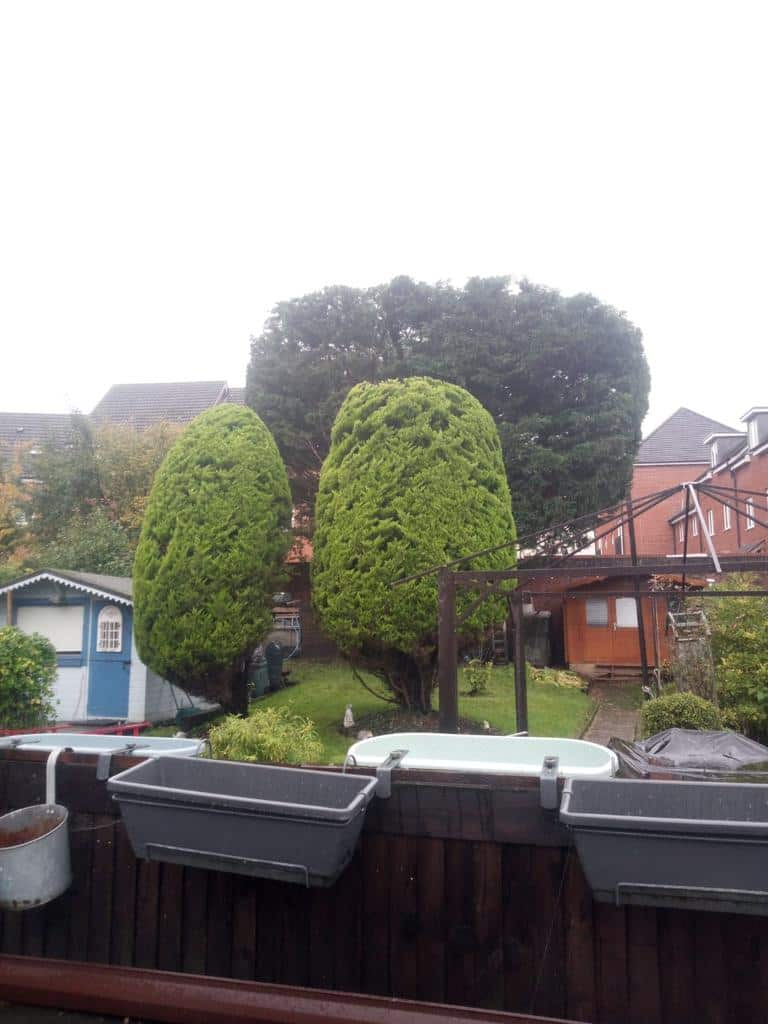
Mature trees add character, structure and shade to a garden, but an increasingly dense or low canopy can make the surrounding space feel enclosed. Large branches may block natural light, obscure views across the garden and restrict how paths, lawns or seating areas are used.
Professional tree trimming can often improve light and space without removing a healthy tree. For property owners in Woodford, Essex, the key is choosing a pruning method that responds to the tree’s condition, species and position.
How Professional Tree Trimming Can Open Up a Garden
Tree trimming should have a clear purpose. Simply cutting back every visible branch can damage the tree’s natural form and may encourage dense, weak regrowth.
A professional tree surgeon will assess the complete crown and decide where selective pruning can create the greatest benefit while retaining a balanced structure.
Removing Low Branches Can Improve Usable Space
Low branches can make a garden feel smaller by restricting headroom and interrupting sightlines. They may also extend over paths, seating areas or lawns where clear access is needed.
Crown lifting involves removing selected lower branches to raise the canopy. When completed carefully, it can create more space beneath the tree and make different parts of the garden feel better connected.
The amount removed should remain proportionate to the tree. Excessive crown lifting can leave an unbalanced canopy and place unnecessary stress on the remaining structure.
Selective Thinning Can Increase Filtered Light
A dense canopy may cast heavy shade throughout the day. Crown thinning removes carefully selected smaller branches from across the canopy rather than shortening every outer branch.
This can allow more light to pass through while preserving the tree’s overall height and spread. The effect is usually softer than creating an open, exposed crown, helping the garden feel brighter without eliminating all shade.
Crown Reduction Can Control an Oversized Canopy
Where a tree has become too large for its position, crown reduction may help bring its height or spread into better proportion with the garden.
This work involves shortening selected branches back to suitable growth points. It can reduce the visual dominance of the canopy and create more separation between the tree and nearby garden features.
A proper reduction retains a natural outline. Cutting branches indiscriminately or removing the entire top can leave large wounds and promote poorly attached regrowth.
Clearer Sightlines Make Gardens Feel Larger
A garden can appear cramped when dense branches block views from one end to the other. Selective pruning can reveal lawns, borders, paths and other features that were previously concealed.
The objective is not necessarily to make the canopy sparse. A few carefully chosen cuts may be enough to restore visual depth while retaining the tree as an important part of the landscape.
More Light Can Support Surrounding Plants
Dense shade may leave grass thin and limit the development of plants beneath or beside the tree. Increasing filtered light can improve conditions for some lawns, shrubs and borders.
However, pruning cannot change every growing condition. Tree roots will continue to compete for water and nutrients, and some parts of the garden may remain naturally shaded. A realistic assessment helps establish what trimming can achieve.
Better Spacing Can Define Garden Areas
Branches spreading into several areas at once can blur the layout of a garden. They may overhang seating spaces, obscure planting or make paths feel narrow.
Selective trimming can help distinguish these areas more clearly. Creating suitable clearance around key features often makes the garden feel more organised without requiring extensive changes to the wider landscape.
Trimming Can Preserve Privacy While Improving Light
Opening a canopy does not have to remove all screening. A professional tree surgeon can identify which branches contribute most to shade and enclosure while retaining growth that provides useful privacy.
This targeted approach is particularly important where a tree forms part of the garden’s backdrop. Removing too much at once may create an exposed appearance that cannot be quickly reversed.
The Tree’s Natural Form Should Be Retained
Effective pruning works with the tree’s growth habit. Some species tolerate reduction or thinning better than others, and the position of each cut influences how the tree responds.
Maintaining a balanced canopy helps avoid an artificial or one-sided appearance. It also reduces the likelihood of vigorous regrowth filling the same space shortly after the work is completed.
Why Heavy Cutting Can Be Counterproductive
Removing an excessive amount of foliage can place a tree under stress. It may respond by producing clusters of rapid new shoots, creating a canopy that becomes dense again.
Large, poorly positioned cuts can also affect the tree’s structure and appearance. Gradual, well-planned work is often more effective than trying to achieve the maximum possible change in one visit.
When Is Tree Trimming Most Useful?
Professional trimming may be beneficial when:
- Low branches restrict access or headroom
- A dense canopy creates prolonged heavy shade
- The tree obscures views across the garden
- Branches crowd paths, lawns or seating areas
- The canopy is too large for its position
- One side has become heavier than the other
- Surrounding plants receive very little light
These signs do not automatically mean that major pruning is required. A professional assessment can identify whether crown lifting, thinning, reduction or a smaller targeted trim would be most suitable.
Why Professional Assessment Matters
Before trimming begins, the tree surgeon should consider the species, age, health and structural condition of the tree. The intended improvement should also be discussed clearly, whether the priority is additional light, more clearance or a better sense of space.
This allows the work to focus on the branches that will make a meaningful difference. It also helps protect the tree from unnecessary cutting and maintains a result that looks natural within the garden.
Conclusion
Professional tree trimming can make a garden feel lighter and more spacious by raising low branches, selectively thinning dense growth and reducing an oversized canopy. The most effective results come from targeted pruning that improves the space while retaining the tree’s health, balance and natural form.
Woodford Tree Surgeons provides professional tree trimming and crown management for gardens in Woodford, Essex. If an overgrown canopy is making your garden feel dark or enclosed, contact our team to arrange an assessment.
Call us on: 020 3917 4991
Click here to find out more about Woodford Tree Surgeons
Click here to complete our contact form and see how we can help with your tree care needs.